Blogs & News

Sky Systems Blog

Explore our collection of specialized technical articles, enterprise blog posts, and cloud insights.

Sky Picks

Sky Picks

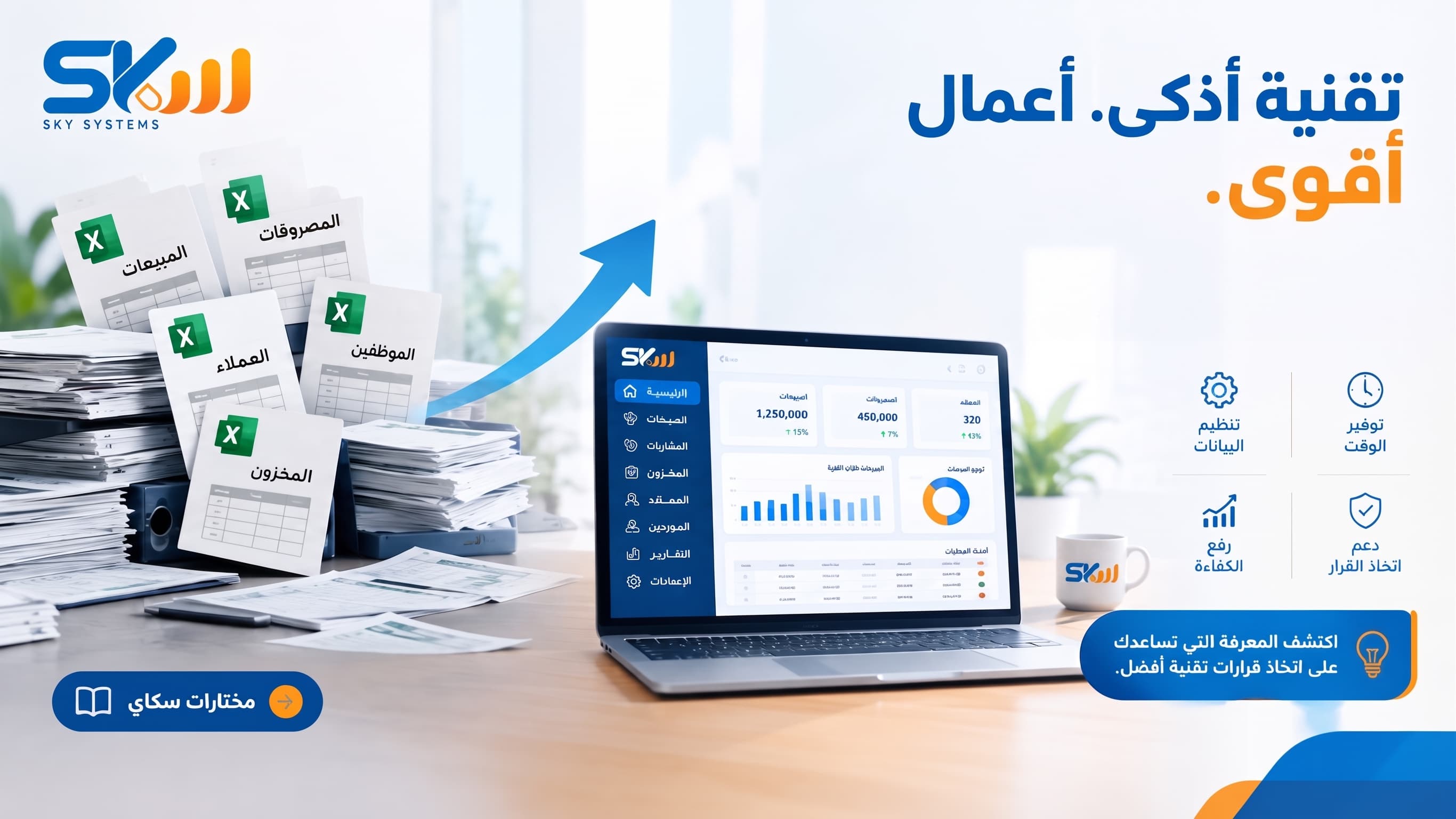
Smarter Technology. Stronger Business. In a world where technology is evolving rapidly and the way businesses are managed is constantly changing, we help you understand what lies behind digital systems and solutions, and discover how technology can make your business more organized and efficient.Discover the knowledge that helps you make better technology decisions.
Finance & Financial Technology

Finance & Financial Technology

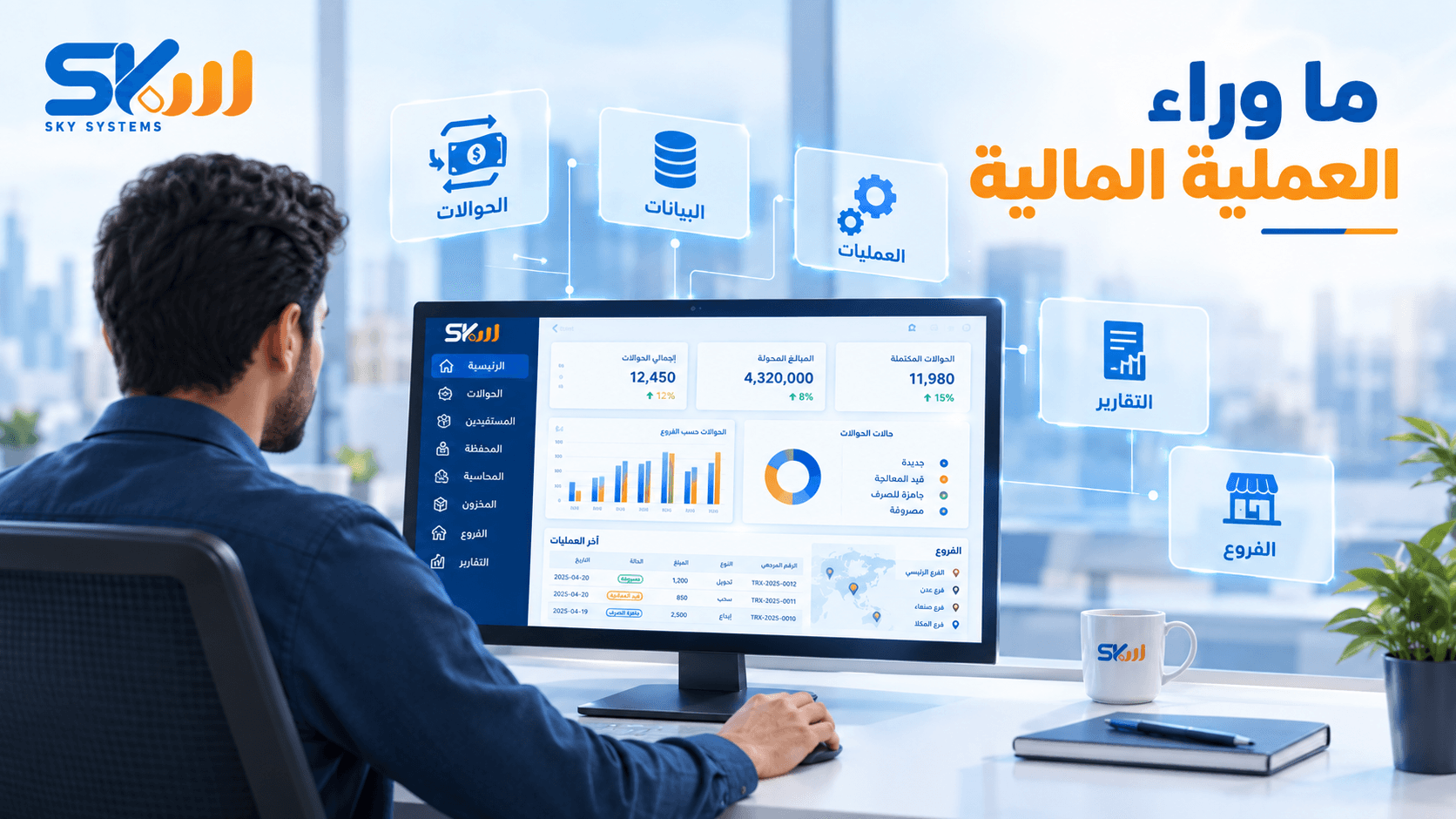
What Happens Behind Every Financial Transaction? A remittance may seem like a simple transfer from one person to another, and a currency exchange may appear to be nothing more than entering an amount and receiving the equivalent. But behind every successful financial transaction, a range of systems, data, and processes must work accurately and at the right time. So, what really happens behind the screen? In this section, we take a closer look at the world of financial systems and technology that power remittances, exchange companies, digital wallets, and accounting operations. We explain, in a simple way, how a transaction that the customer sees completed in seconds is actually the result of a series of processes and data working behind the scenes.

Exchange Company Systems

Exchange Company Systems

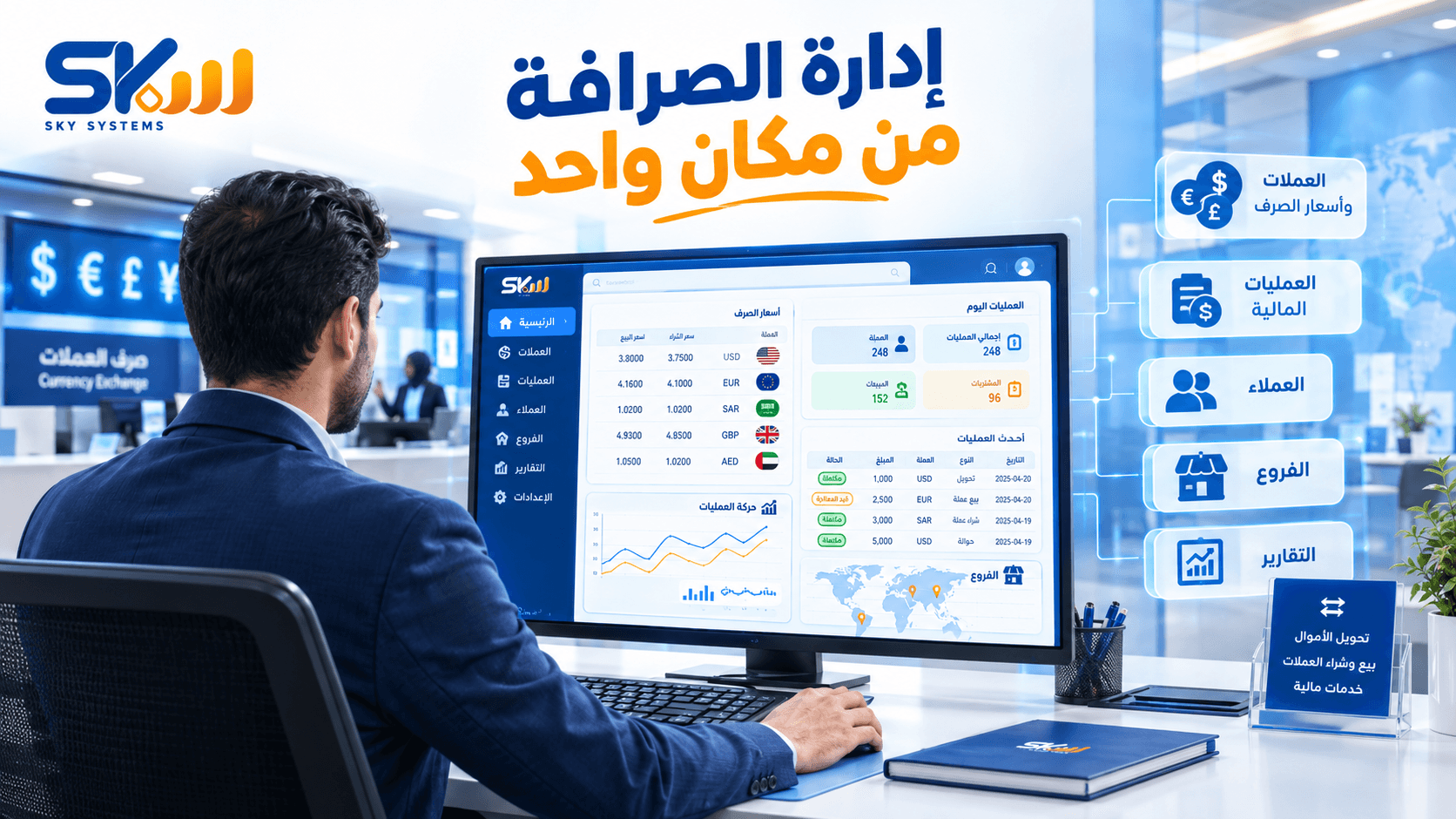
How Can a System Help an Exchange Company Manage Its Daily Operations? From currencies and exchange rates to customers, branches, financial transactions, and reports, an exchange company deals with a large volume of data and operations every day. Each transaction may seem separate and straightforward: a customer wants to buy or sell a currency, send a remittance, or inquire about a previous transaction.

Accounting & Financial Systems

Accounting & Financial Systems

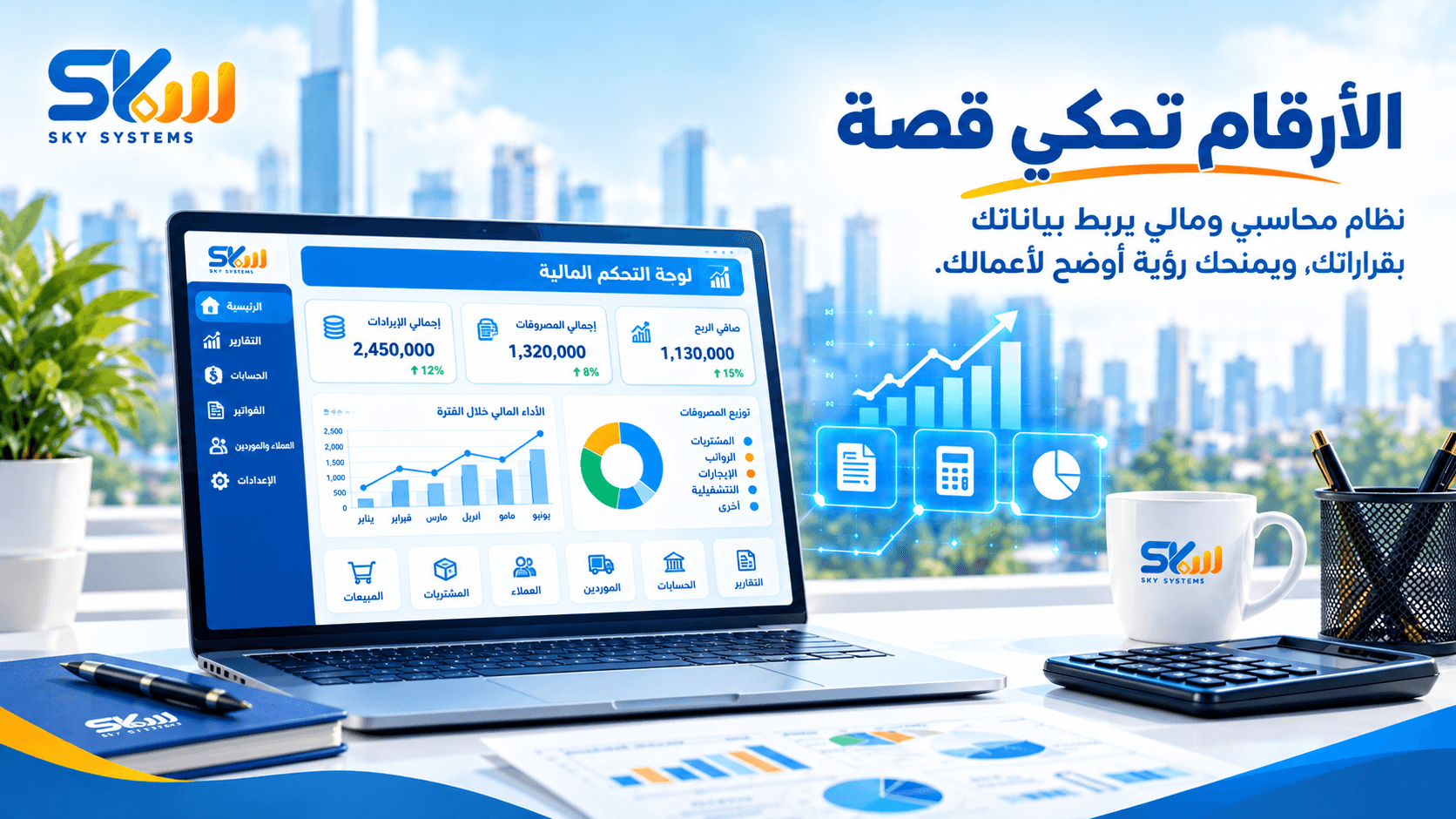
Numbers Alone Are Not Enough Every company has numbers moving through its operations every day: revenues, expenses, sales, purchases, customers, suppliers, salaries, payments, receivables, and different accounts. By the end of the day, a company may have processed dozens or even hundreds of transactions. But the real question is not: How many numbers do we have? It is: What are these numbers telling us about the company? This is where the role of an Accounting and Financial System begins.

Digital Wallets

Digital Wallets

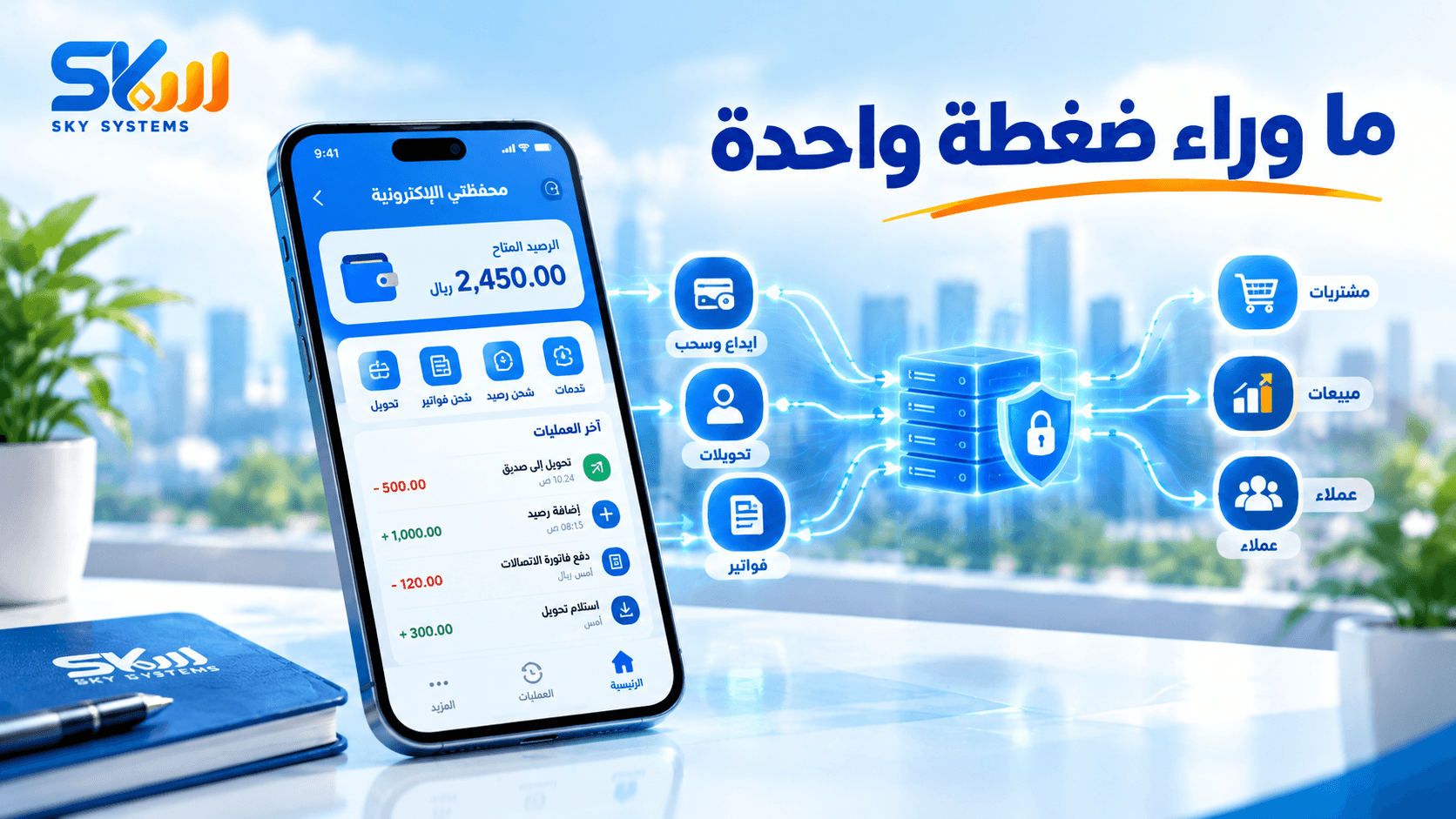
What Happens Behind a Digital Wallet? A user may see a simple application on the screen, but what happens behind the application? The user opens the digital wallet, sees their balance, selects a service, enters an amount, and then taps the confirmation button. Moments later, a message appears: **“Transaction successful.”** For the user, the process may seem very simple. But what happened during those few moments? Where was the transaction recorded? How did the system know that there was enough balance? How was the amount deducted and credited to the beneficiary? How did the new balance appear? And what happens if the transaction fails? Behind the simple application that the user sees, a range of systems and processes work together to enable the digital wallet to execute financial services and monitor transactions.

Branch and Financial Operations Management

Branch and Financial Operations Management

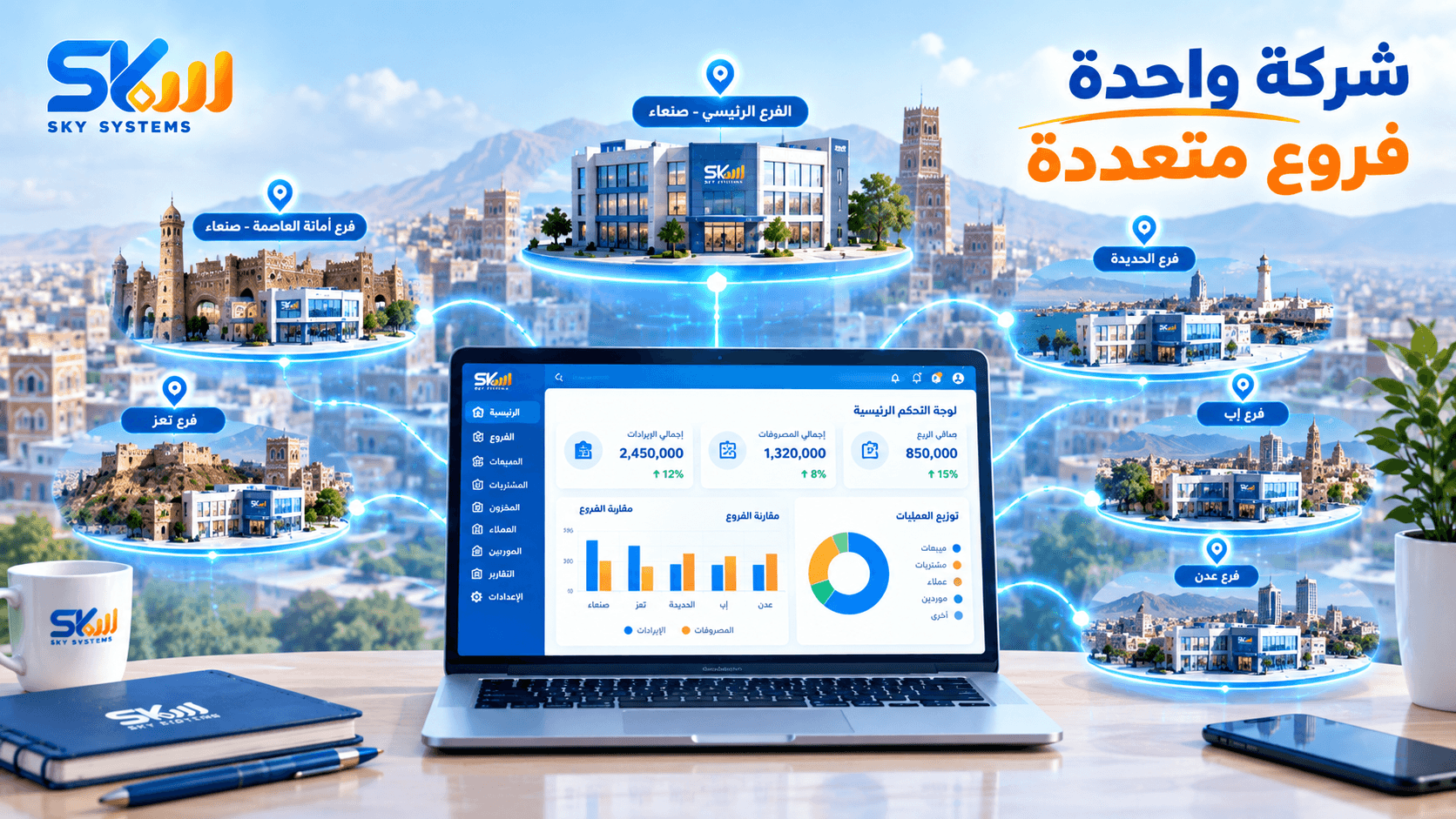
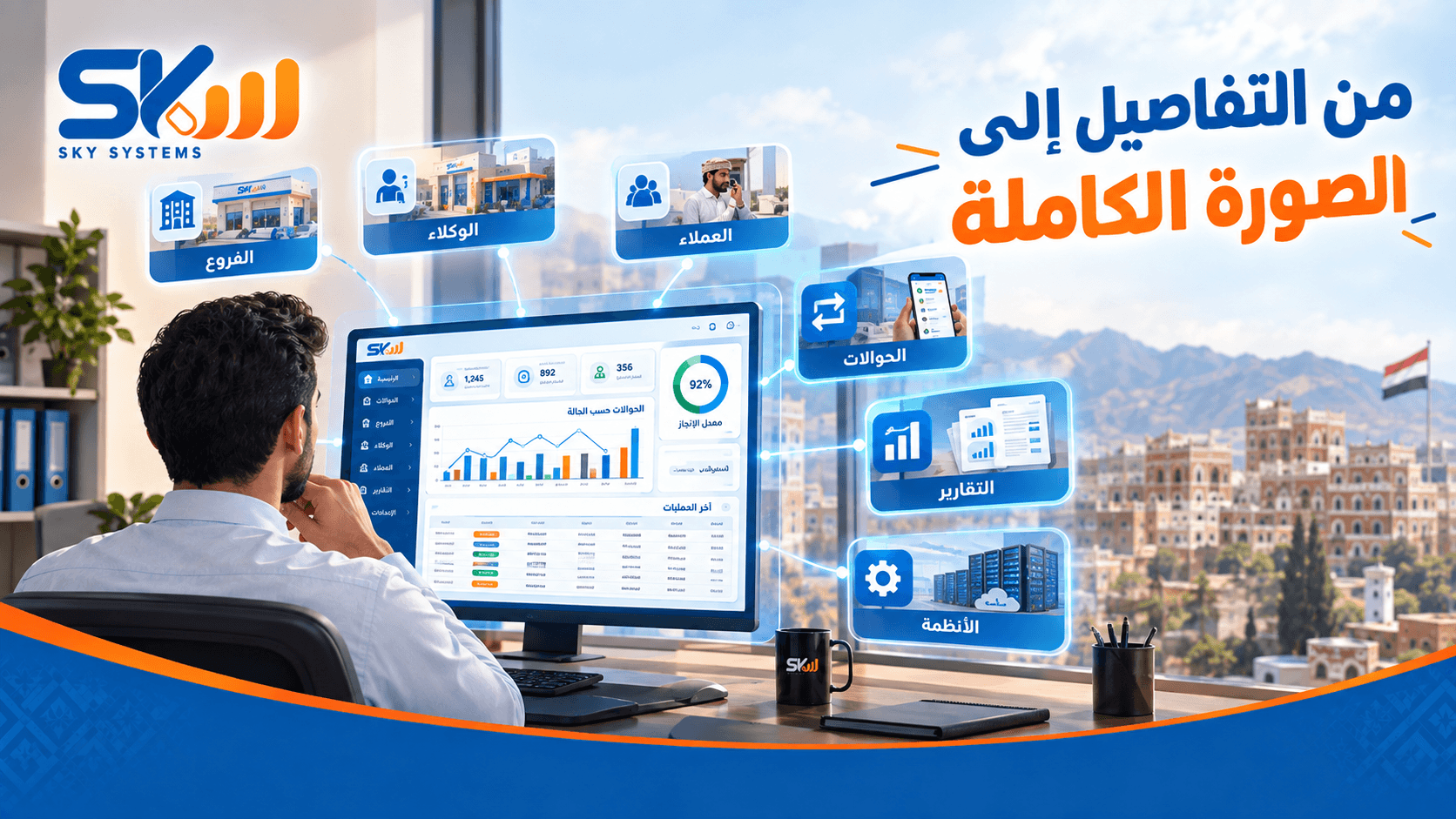
When a Company Has More Than One Branch, the Bigger Picture Emerges One branch means a limited number of employees, customers, and transactions. But what happens when a company grows to five branches? Or ten? Or even more? Data then begins to move across multiple locations. Each branch carries out its own operations, serves its customers, records sales or financial transactions, and may have its own expenses and daily activity.

Financial Reports

Financial Reports

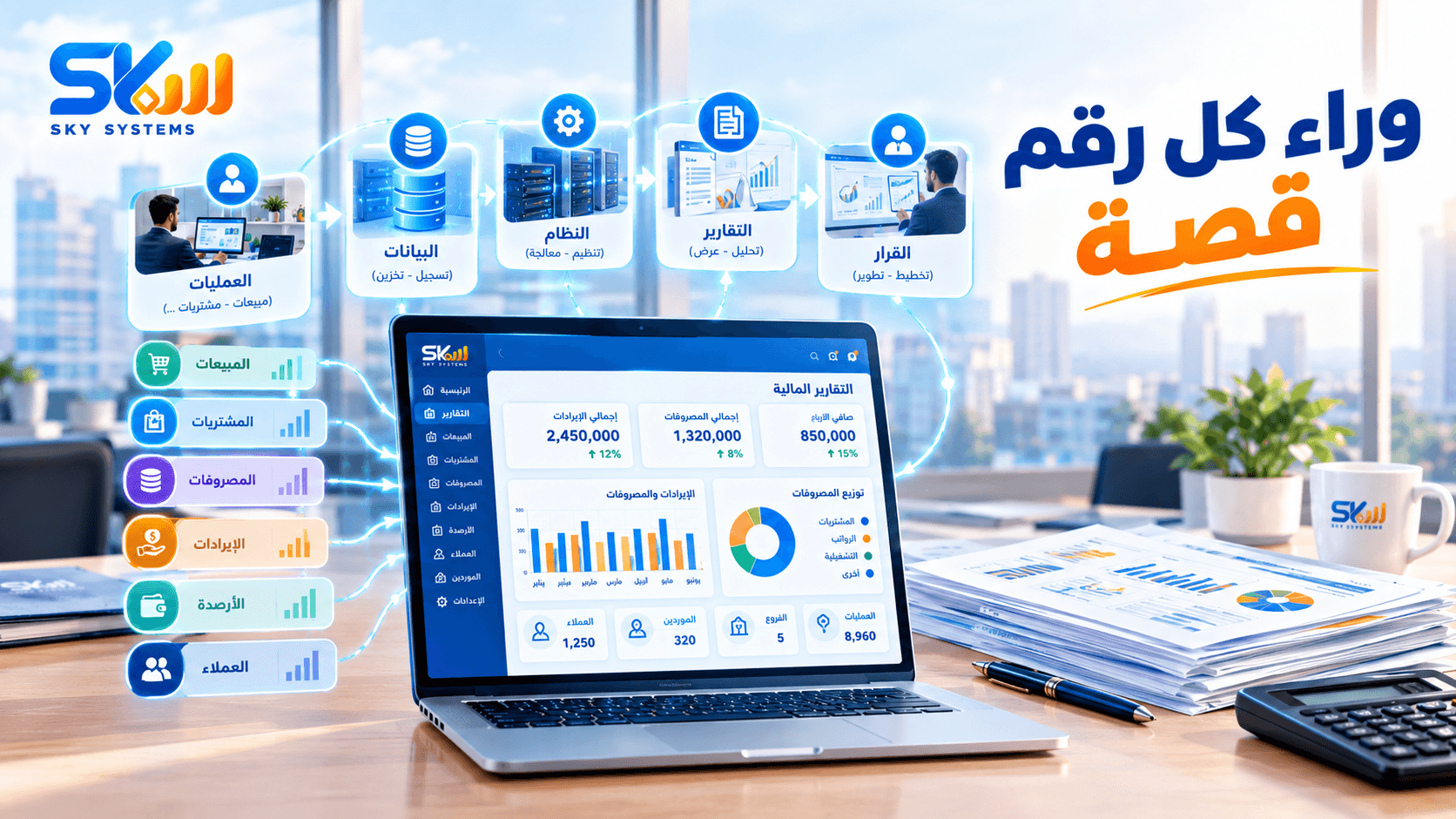
Behind Every Number in a Report, There Is a Transaction and Data Management may see a report filled with clear numbers: Revenue. Expenses. Sales. Balances. Amounts due. But every number in a report has a story. There is a transaction behind it. There is data that was recorded. And there is a system that organized and consolidated it. So the question is not only: How do we get the report? It is also: How did this number make its way into the report in the first place?

Financial Automation

Financial Automation

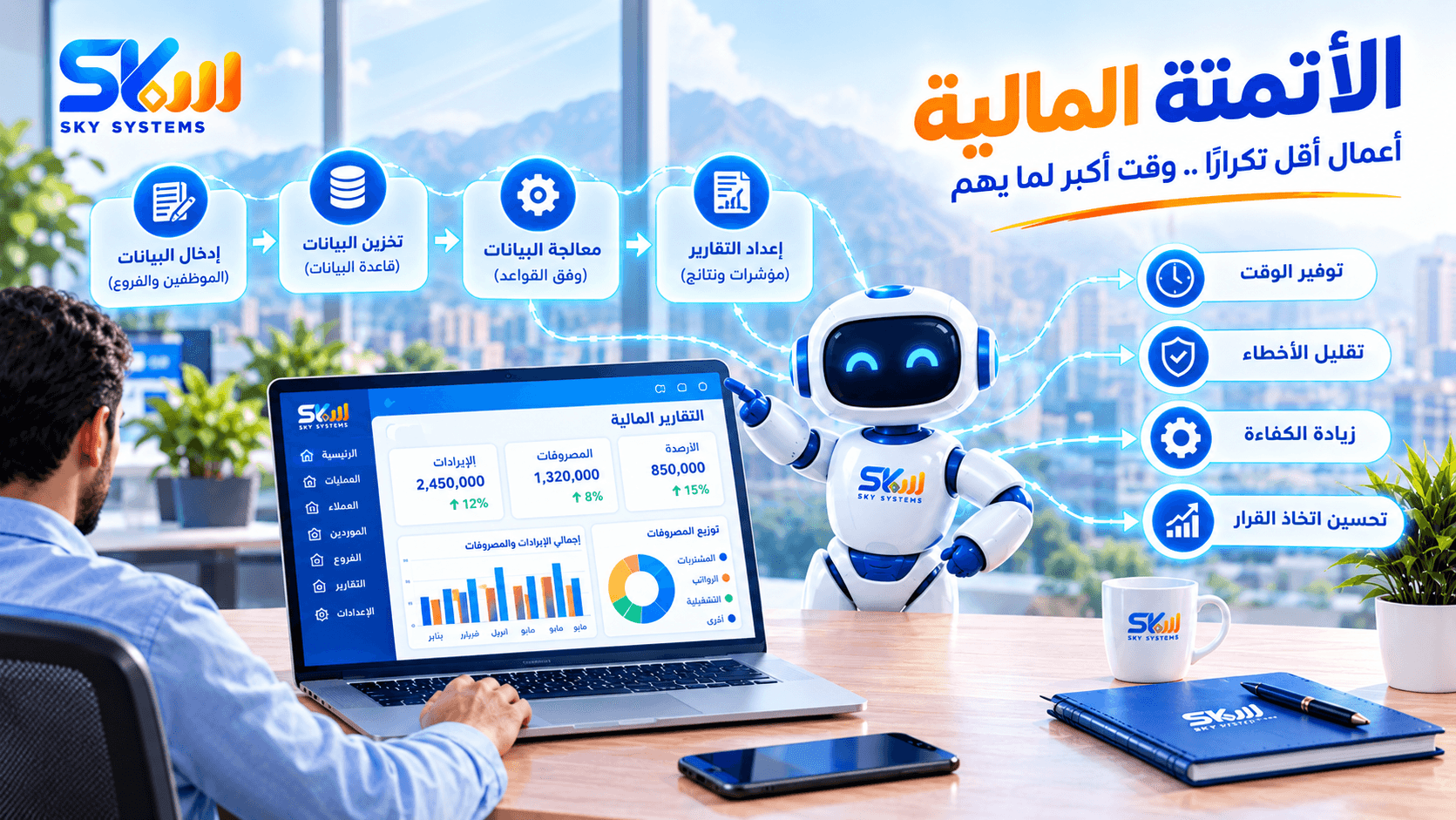
Does Every Step Have to Be Done Manually? Imagine an employee entering the same data every day. Moving information from one file to another. Sending the same notification. Repeating the same steps. And performing the same process dozens or even hundreds of times. Is the problem that the employee is not working efficiently? Not necessarily. The problem may simply be that the process itself is repetitive. And this is where automation comes in.

Financial System Integration

Financial System Integration

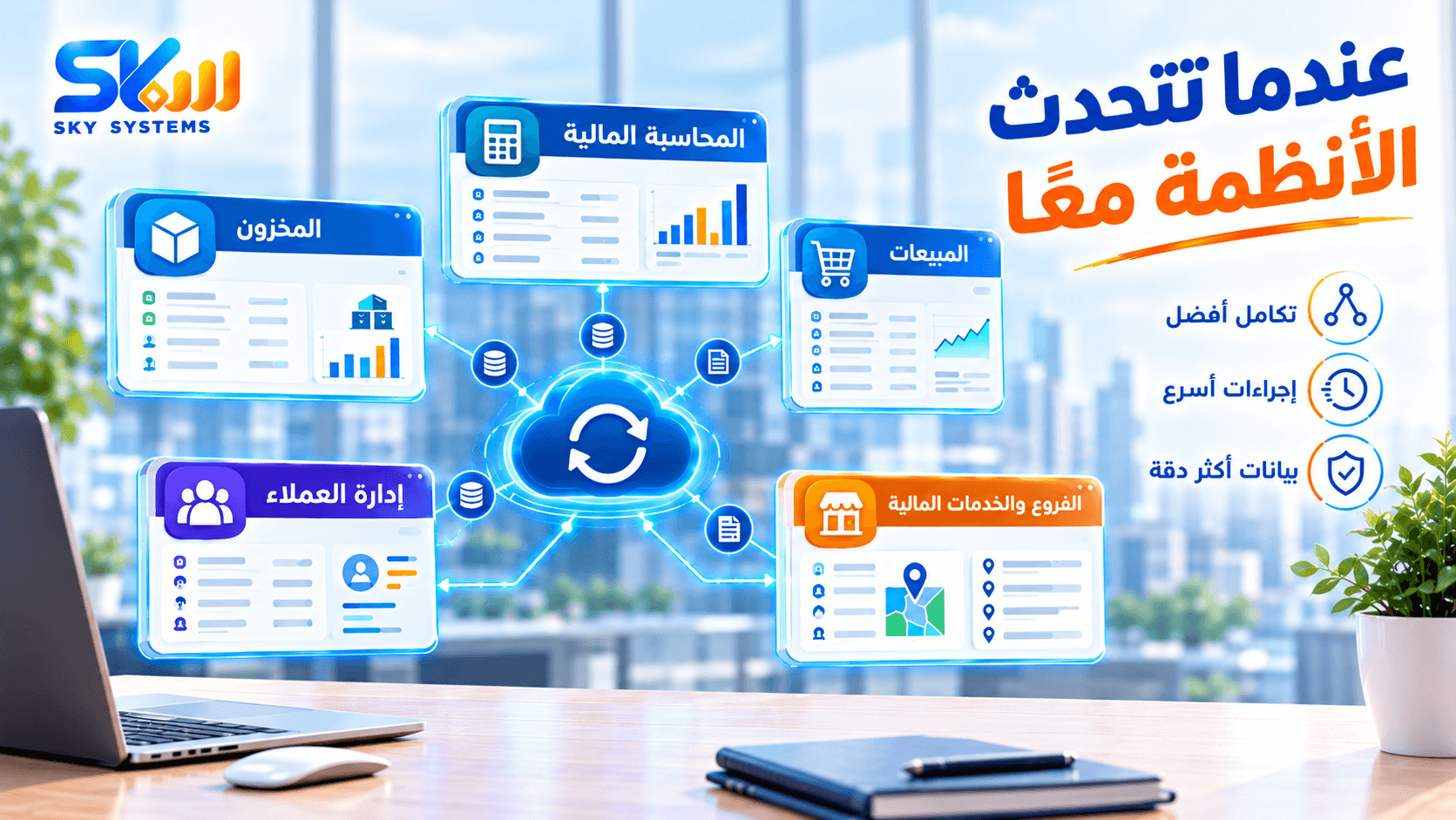
What Happens When a Company Needs Its Systems to Communicate with Each Other? A company may use an accounting system. A sales system. An inventory management system. A customer management system. And perhaps another system for branches or financial services. Each system may perform its role effectively. But the challenge appears when these systems need to exchange data. Should an employee enter the same data into every system?

Remittances & Transfer Networks

Remittances & Transfer Networks

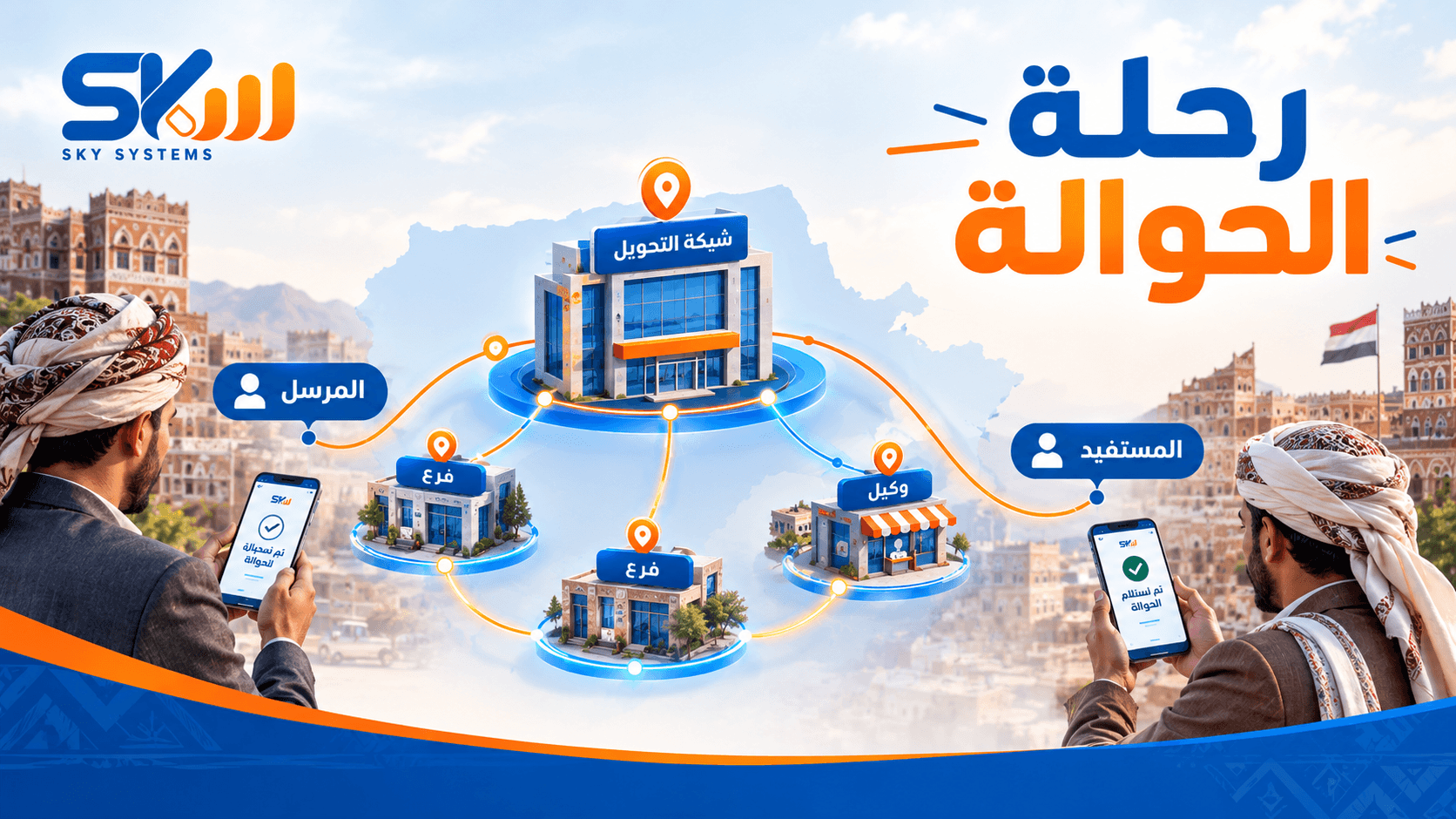
Remittances are more than simply sending money from one person to another. Behind every remittance is a series of processes, data, and systems working together from the moment the remittance is registered until it is collected by the beneficiary. As the number of remittances, branches, agents, and customers increases, managing these operations becomes more complex, and relying on manual processes or disconnected systems becomes increasingly difficult. In this section, we take a closer look at the world of remittances and transfer networks. We explore how the process works, how remittances are recorded and tracked, how networks manage branches and agents, and how financial systems help organize operations, monitor transaction statuses, and generate reports. The goal is not simply to explain remittances as a financial concept, but to understand what happens within a transfer network behind every transaction—and how technology can make remittance management more organized, faster, and clearer.

Business Management

Business Management

Business Management is the section that focuses on how a company is managed internally and how work can be organized as operations, data, employees, and branches continue to grow. A company does not face technical challenges alone. The real challenge may lie in how work is carried out, how responsibilities are distributed, how data is scattered, the growing number of files, the difficulty of monitoring employees and branches, the lack of clear reports, or the fact that the way of working that suited the company when it was small is no longer suitable as the business grows. That is why this section does not start with technology. It starts with the management problem, explores its causes and impact, and looks at how work processes can be improved—and when systems and technology can help.

Technology & Digital Experience

Technology & Digital Experience

**Technology & Digital Experience** This section focuses on the technologies that customers interact with directly—everything they see and use when dealing with a company, from mobile applications and websites to WhatsApp, messages, notifications, and digital customer service. The main idea is to look at technology from the customer’s perspective: What does the customer see? How do they use the service? How do they communicate with the company? Can they access the service easily? Does technology make the experience easier, or does it make it more complicated? That is why this section does not focus on how servers or databases are built. Instead, it focuses on the experience delivered to the customer and how companies use digital channels to provide services and communicate with their customers.

Technology & Infrastructure

Technology & Infrastructure

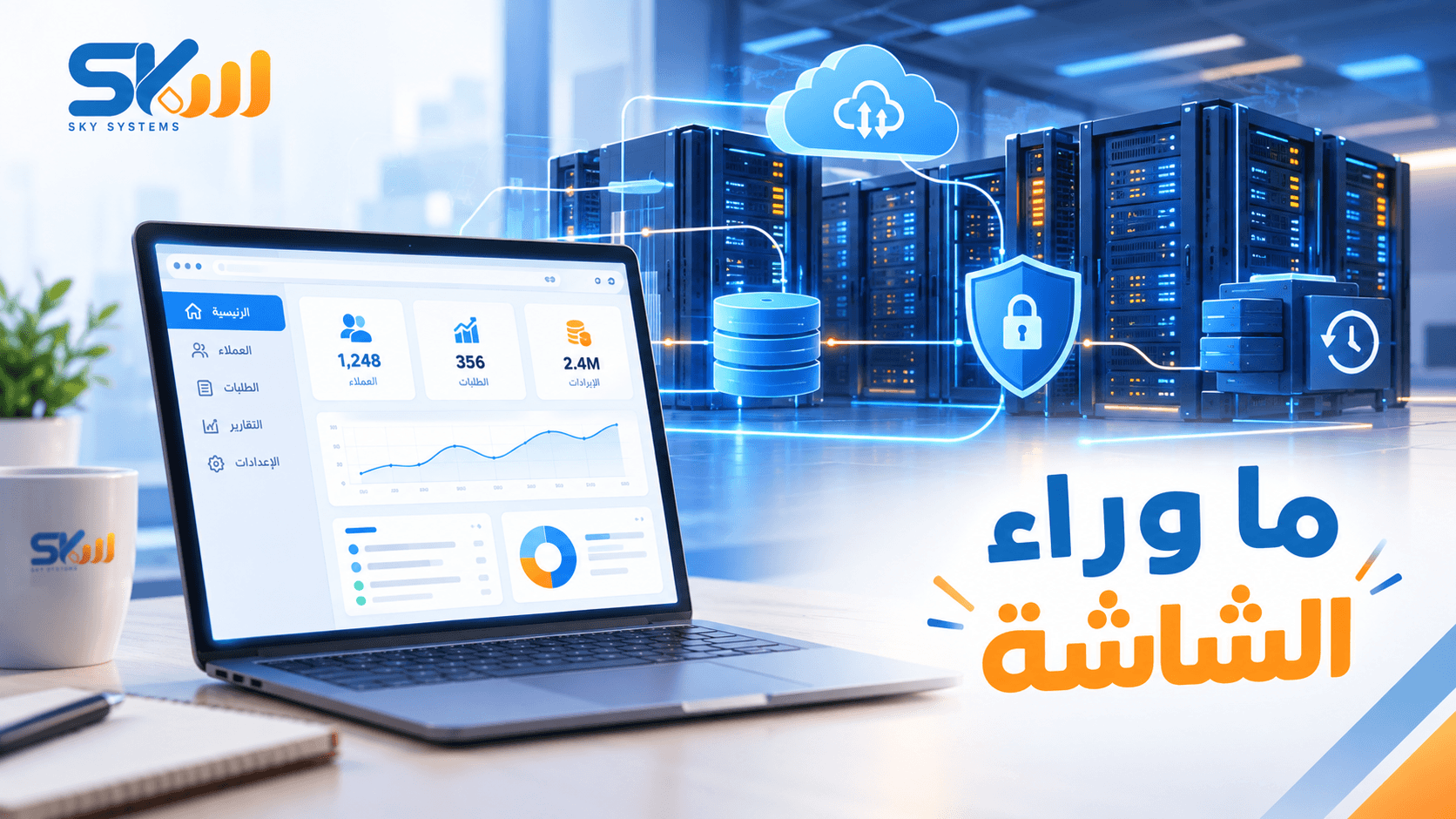
**Technology & Infrastructure** This section takes the reader behind the screen. Customers see the application, website, or system, but they do not see the servers, databases, hosting, backups, integrations, and technical infrastructure working in the background to keep services available, stable, and reliable. That is why this section explains the technical side in a simple and accessible way, helping business owners and managers understand what their systems need and what affects their stability, performance, and data security.

Future & Digital Transformation

Future & Digital Transformation

Future & Digital Transformation This section explores the technologies shaping the future of business in a practical way, rather than simply following the latest news or trending technologies. Not everything new is suitable for every company, and not every widely adopted technology means that businesses should start using it immediately. That is why this section looks at emerging technologies from a practical perspective: What does this technology do? How could it affect businesses? What problem can it solve? And when is it actually useful? The goal is to help business owners understand what the future may bring and prepare for it without being swept up by every new technology simply because it has become popular.

Technology Decisions

Technology Decisions

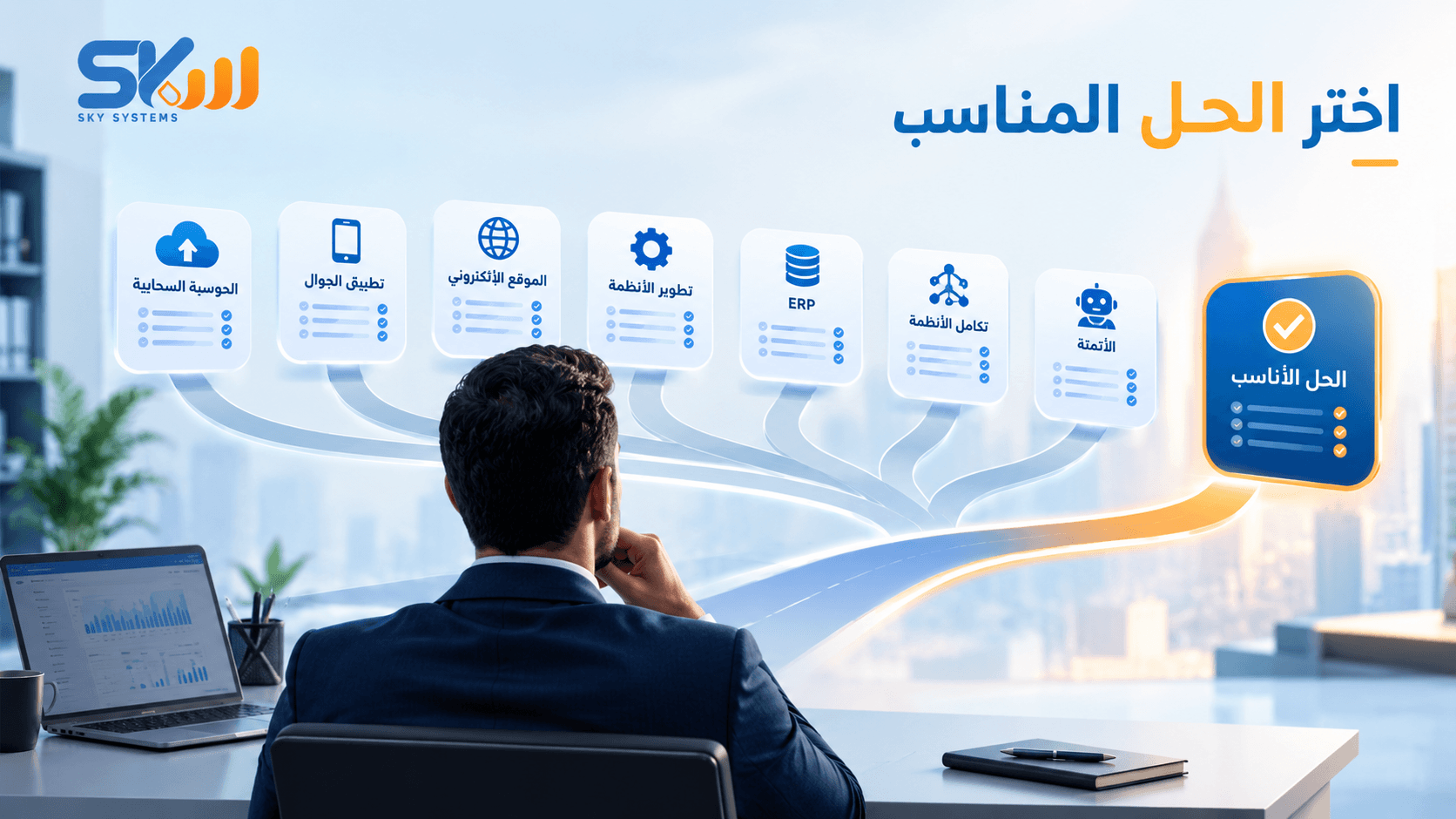
This section is different from the previous sections. It does not simply explain technology or describe how it works. Instead, it helps readers make the right technology decisions for their businesses. A company may understand what a system, application, or ERP is, but that does not necessarily mean it knows which option is right for its needs—or whether it needs new technology in the first place. That is why this section starts with the problem and the actual business need, then moves on to evaluating and comparing available options, ultimately leading to the right solution. Technology is not the goal in itself; the goal is to solve the problem in the right way.